Transmagnetic Cranial Stimulation 
HomeBlogLevitas Group
Levitas Group

Transmagnetic Cranial Stimulation 

Levitas Group
5 December 2022
3 min read

What is TMS? 

TMS, transmagnetic cranial stimulation, is a type of non-invasive brain stimulation therapy which uses electromagnetic pulses to stimulate nerve cells. This can improve symptoms of mental health disorders, such as depression, anxiety, OCD and PTSD. The procedure may even improve motor dysfunction, making it potentially helpful for Parkinson’s disease, multiple sclerosis, or stroke rehabilitation.  

TMS for depression 

The standard treatments for depression, medications and psychotherapy, are often not effective. Approximately one third of patients with depression do not respond to these treatments. TMS is generally recommended for patients with treatment resistant depression.  

TMS can help by stimulating nerve cells and increasing activity in the prefrontal cortex, where low levels are often associated with depression.  

How does TMS work? 

An electromagnet painlessly delivers a magnetic pulse that stimulates nerve cells in a certain region of the prefrontal cortex, the part of the brain involved in mood control. The TMS machine generates highly concentrated magnetic fields which turn on and off very rapidly. These magnetic fields are very similar to those produced by an MRI machine. 

The magnetic fields do not directly affect the whole brain; they only reach about 2-3 centimetres into the brain directly beneath the treatment coil. In the brain, the magnetic fields produce very small electrical currents. This activates cells within the brain which release neurotransmitters such as serotonin, norepinephrine and dopamine.  

Depression is thought to be the result of an imbalance of these chemicals in the brain, so TMS can relieve depression by restoring the chemical balance. 

What does the treatment involve? 

Before the treatment, your doctor will measure your head to determine where to place the magnetic coil and to personalise the settings on the TMS machine. Your doctor will also determine your motor threshold, the amount of magnetic energy needed. During the course of treatment, the amount of stimulation can be changed, depending on your symptoms and side effects.  

During the treatment, you’ll hear a clicking sound as the magnetic impulses are released. You will also feel a tapping or knocking sensation beneath the magnetic coil. The treatment can last from 30 to 60 minutes. After the procedure, you can drive yourself home and resume normal activities.  

TMS side effects are uncommon but may include mild headaches, light headedness, sleepiness and scalp/ neck pain. These usually go away after several treatments. 

Treatment plans vary depending on your response and specific conditions but may involve treatment five times a week for about four to six weeks.  

If TMS works for you, your depression symptoms may improve or go away completely. After completion of a TMS treatment series, standard care for depression, such as medication and psychotherapy, may be recommended as ongoing treatment.  

Who should use TMS treatment? 

If you have depression, your doctor will likely recommend antidepressant medication and psychotherapy before TMS. However, TMS may be suited to you if: 

  • you have used one or more antidepressants without results  
  • you have experienced negative side effects from antidepressants  
  • you are a child or teenager 

Younger people are more prone to developing adverse side effects from antidepressants, meaning TMS could be an ideal choice.  

Please contact us to find out more about this service.

Ready to Optimise Your Health?

Ready to Optimise Your Health?

Speak with the Levitas team to find the right service for you.

Get in Touch

More Articles

Related Posts

Tim Lodge: A Journey of Resilience, Recovery, and Triumph
Levitas Group
17 June 20254 min read

Tim Lodge: A Journey of Resilience, Recovery, and Triumph

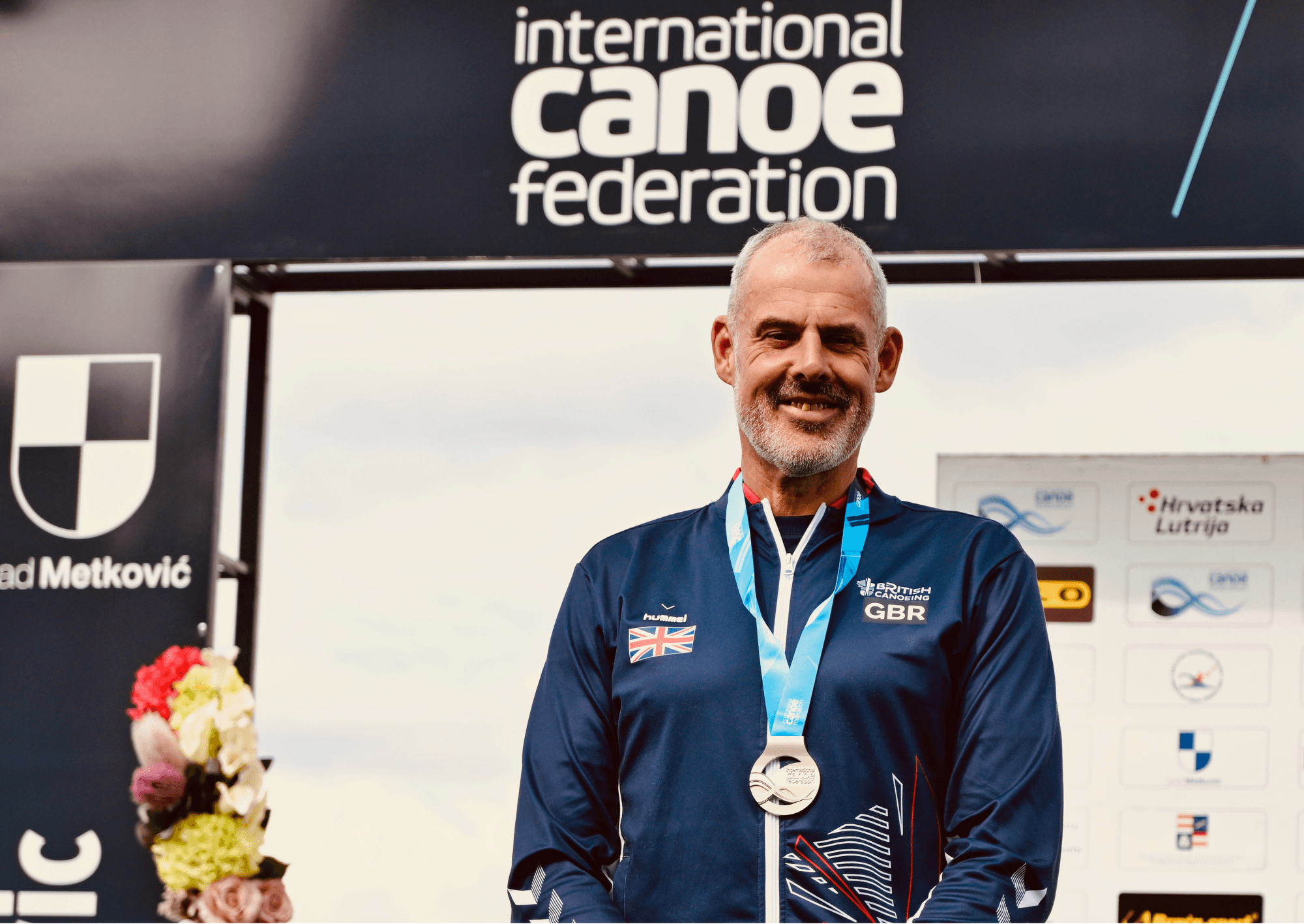
My name is Tim Lodge, and I am proud to represent Great Britain as a Paralympic canoeist. At 53 years old, I reflect on a journey that has been anything but ordinary one defined by perseverance, transformation, and the unwavering belief that it’s never too late to rewrite your story. I was born with a gross talipes disability. By the age of 10, I had already undergone 22 operations and endured 59 anaesthetics. My left foot alone carries 13 pins and plates a daily reminder of the challenges I’ve faced from the very beginning. Despite this, I always believed in pushing forward. Canoeing was a passion of mine as a teenager, but life took me down a different path. For over two decades, I worked in the corporate world. Then, in 2013, everything changed. I received an unexpected call from my former canoeing coach, who asked if I’d consider training as a Paralympic athlete. At that time, I was far from being in shape, but something inside me said “yes.” That moment sparked a transformation that would define the rest of my life. Re-entering the world of elite sport after 20 years was no small feat. But with dedication and […]

Read Article
Levitas Clinic Introduces Groundbreaking Bio-Regenerative Dentistry!
Levitas Group
13 March 20252 min read

Levitas Clinic Introduces Groundbreaking Bio-Regenerative Dentistry!

Levitas Clinic, a leader in regenerative medicine, is excited to unveil our latest innovation: Bio-Regenerative Dentistry. Launching on October 2nd, 2024, this service redefines oral health by seamlessly integrating with our existing medical practices to offer a holistic approach to wellness—all from our state-of-the-art, purpose-built suites in Mayfair. Redefining Oral Health Bio-regenerative dentistry is set to transform how you think about dental care. Our approach goes beyond treating immediate issues; it enhances your overall health by working in harmony with your body’s natural healing processes. 1. Holistic Health Your oral health is deeply connected to your overall well-being. Poor oral hygiene can lead to serious conditions like heart disease, diabetes, and even dementia. Our bio-regenerative dentistry focuses on prevention, maintaining a balanced oral microbiome, and supporting your body’s immune system. 2. Natural and Safe We use biocompatible materials like ceramic implants that integrate seamlessly with your jawbone, avoiding the risks associated with metal-based options. Advanced therapies such as ozone treatment and oral peptides not only treat but also regenerate tissues, ensuring a healthier mouth with fewer side effects. 3. Ancestral Wisdom We combine the wisdom of our ancestors with cutting-edge science. From herbal mouthwashes to diet practices that promote oral […]

Read Article
Unlock Longevity with the Power of Personalized B Vitamins –Buzz with the B’s !
Levitas Group
4 November 20242 min read

Unlock Longevity with the Power of Personalized B Vitamins –Buzz with the B’s !

What if your daily dose of B vitamins could do more than just boost energy? At Levitas Clinics, we believe personalized B vitamin support can be the key to greater longevity, helping you feel vibrant and youthful no matter your age. With a unique, genetic-based approach, we tailor your B vitamin regimen to fit your body’s specific needs, unlocking the full potential of these essential nutrients. Why B Vitamins Are the Key to Lasting Energy and Vitality B vitamins—including B12, B6, and folate—are fundamental for: Sustained Energy: Helping your body convert food into lasting energy. Mental Clarity and Mood: Supporting focus, memory, and a balanced mood. Heart and Cellular Health: Maintaining circulation and cellular repair, vital for long-term health. But here’s the twist: not everyone’s body uses B vitamins in the same way. Our genetics play a big role in how well we absorb and use them, and understanding your unique genetic “blueprint” can unlock optimal results. How Your Genes Influence Your Vitamin Needs MTHFR Gene and Folate (B9) Some people have a gene variant that affects how their body processes folate, a crucial B vitamin. Think of MTHFR as a “gate” that folate must pass through. For those with […]

Read Article