The Gut-Skin Axis: Your Skin Is Talking About Your Gut
HomeBlogLevitas Group
Levitas Group

The Gut-Skin Axis: Your Skin Is Talking About Your Gut

Levitas Group
16 July 2026
10 min read

[et_pb_section fb_built=”1″ fullwidth=”on” _builder_version=”4.27.5″ _module_preset=”default” custom_css_free_form=”.container {|| width: 100% !important;|| max-width: 100% !important;|| margin: auto;||}||/* Hide H1 title on one specific post */||.postid-15206 h1.entry-title,||.postid-15206 .entry-title,||.postid-15206 .et_pb_title_container h1 {|| display: none !important;||}||/* Hide post meta on one specific post */||.postid-15206 .post-meta,||.postid-15206 .entry-meta,||.postid-15206 .et_post_meta_wrapper,||.postid-15206 .et_pb_title_meta_container,||.postid-15206 .et_pb_post .post-meta {|| display: none !important;||}” global_colors_info=”{}”][et_pb_fullwidth_code _builder_version=”4.27.5″ _module_preset=”default” hover_enabled=”0″ global_colors_info=”{}” sticky_enabled=”0″] LEVITAS BLOG — DIVI CODE MODULE PAYLOAD Paste the ENTIRE contents of this file into one Divi Code Module. Do not paste into a Text Module — it will strip the style tag. ─────────────────────────────────────────────────────────────── FOR THE SEO PLUGIN (Rank Math / Yoast) — DO NOT PASTE INTO DIVI: ─────────────────────────────────────────────────────────────── META TITLE (57 chars): Gut-Skin Axis: How Gut Health Affects Skin | Levitas META DESCRIPTION (156 chars): Discover how your gut microbiome shapes skin health, inflammation and ageing — and the simple daily habits that help. Book a Levitas consultation today. SLUG (WordPress permalink field): gut-skin-axis-gut-health-skin CANONICAL: https://www.thelevitasgroup.com/blog/gut-skin-axis-gut-health-skin [TODO: confirm domain — levitasgroup.com vs thelevitasgroup.com] IMAGE ALT TEXT (set in the WP Media Library): 1. “Diagram of the gut-skin axis showing how the gut microbiome influences skin health” 2. “Fermented foods for gut health and clearer skin — kefir, kimchi and sauerkraut on a table” 3. “Woman with healthy glowing skin reflecting good gut health and low inflammation” ─────────────────────────────────────────────────────────────── DIVI SETUP NOTES ─────────────────────────────────────────────────────────────── · Post title: leave the Divi post title module OFF, or set the layout so the theme does not also output an H1. This payload supplies the only H1 on the page. · Row settings → Sizing: set Custom Width / Max Width to 100% and gutter width to 1, so the payload controls its own measure. · Section background: the payload paints its own dark canvas. · If Rank Math also emits FAQ schema, disable its FAQ block for this post — duplicate FAQPage schema risks both being ignored. KEYWORD MAP (verify UK volumes before finalising): Primary: gut-skin axis Secondary: gut health and skin · gut microbiome and skin health · how to improve gut health · gut health and acne · gut health and eczema · inflammation and skin ageing Service: gut microbiome testing UK · longevity clinic London (carried by CTA and internal links, not body copy) AUTHOR: Dr Shannon Gebers — MBChB (Cum Laude), Stellenbosch University Byline is text-only. Set as the WP post author so the Article schema author matches the visible byline. UNRESOLVED — search this file for “TODO” before publishing. ═══════════════════════════════════════════════════════════════════ –>

Levitas  ·  Longevity & Human Optimisation

The Gut-Skin Axis: Your Skin Is Talking About Your Gut

Some of the biggest influences on skin health do not come from a bottle or a jar. They come from within — and your gut microbiome is speaking first. Google and readers both want the author visible before the claims. Text-only by choice — no headshot. TODO-LINK: point the name at Dr Gebers’ clinician profile page. –>

What Is the Gut-Skin Axis?

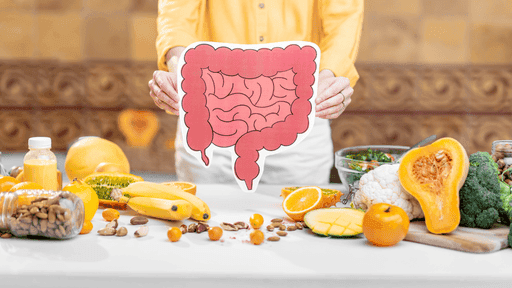
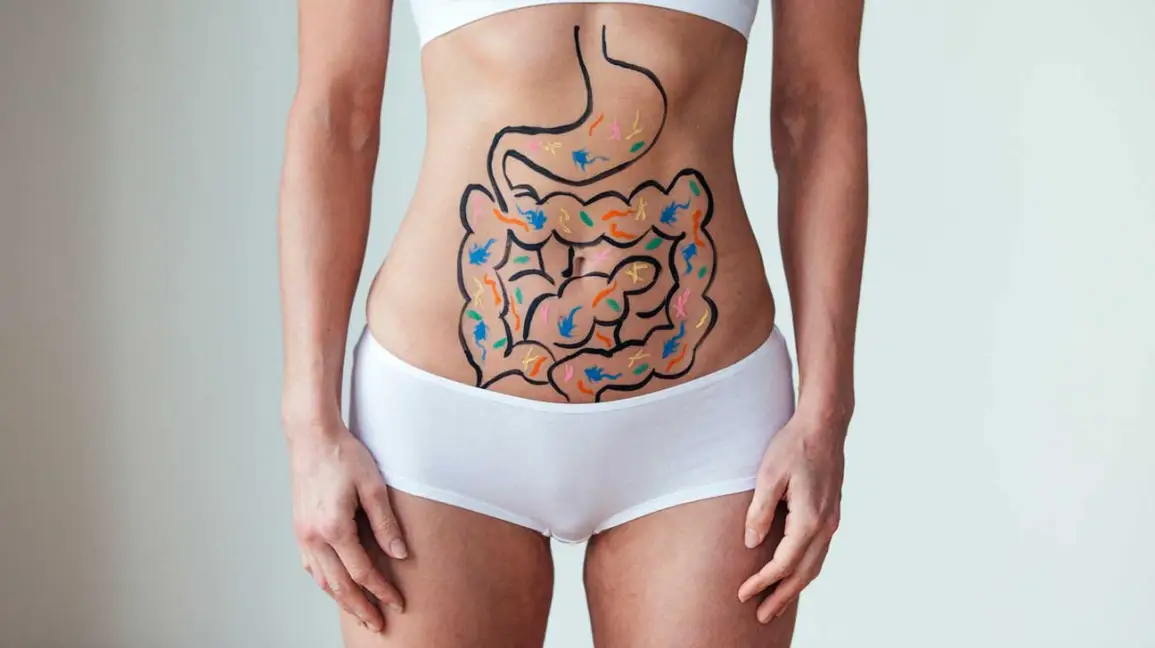
When we think about healthy skin, we often focus on what we apply to it. But some of the most important influences on skin health come from within — and one of the most overlooked is the health of your gut. Your gut is home to trillions of bacteria that do far more than help digest food. Together, this community — your gut microbiome — helps regulate inflammation, supports your immune system, and produces compounds that influence nearly every organ in the body, including your skin. This close two-way relationship between gut health and skin is known as the gut-skin axis.

How an Imbalanced Gut Microbiome Shows on Your Skin

When your gut microbiome is diverse and balanced, it helps maintain a healthy immune response and keeps inflammation under control. The result is often calmer, more resilient skin. But when the microbiome becomes disrupted — through chronic stress, poor sleep, a low-fibre diet, or a diet high in ultra-processed foods — inflammation can rise. For many people, the skin is one of the first places this imbalance becomes visible. Common signs include: Acne and breakouts  ·  Redness and sensitivity  ·  Eczema flare-ups  ·  Dullness  ·  Slower healing

Your skin may simply be the first place where internal changes become noticeable.

Gut Health, Inflammation and Skin Ageing

This connection goes beyond appearance. Chronic, low-grade inflammation is recognised as one of the key drivers of biological ageing and is associated with many age-related diseases. Supporting your gut is therefore not only a matter of complexion — it is an investment in your long-term health and longevity.

How to Improve Gut Health for Better Skin

The good news is that supporting your gut health does not require an expensive skincare routine. Small, consistent lifestyle habits can have a meaningful impact.

Eat a Wide Variety of Plant Foods

Different fibres nourish different beneficial gut bacteria, so variety matters more than any single “superfood”. Aim for a broad range of vegetables, fruits, legumes, nuts, seeds and whole grains across the week.

Include Fermented Foods

Fermented foods such as yoghurt, kefir, kimchi and sauerkraut can help support a healthy microbiome, provided they are well tolerated.

Prioritise Good-Quality Sleep

Much of the body’s repair and restoration takes place during sleep — for the gut and the skin alike. A consistent bedtime is one of the simplest habits with an outsized return.

Make Time for Stress Management

Chronic stress directly disrupts the gut microbiome. Regular exercise, mindfulness, or simply spending time outdoors all help to keep the gut-skin axis in balance.

A Reflection of What Lies Within

Healthy, glowing skin is not just about the products you use — it is often a reflection of what is happening inside your body. By looking after your gut, you are not only supporting your complexion but also reducing inflammation and investing in your long-term health and longevity.

A Note on Evidence The gut-skin axis is an active area of research. The links between the gut microbiome, inflammation and skin conditions such as acne and eczema are supported by a growing body of studies, though many findings are associative and individual responses vary. The lifestyle guidance above reflects well-established general health advice. For persistent skin concerns, please speak to a qualified clinician.

Frequently Asked Questions

What is the gut-skin axis?

The gut-skin axis is the two-way relationship between your gut microbiome and your skin. The bacteria in your gut help regulate inflammation and immune function throughout the body, and when the gut is out of balance, the effects often become visible on the skin.

Can poor gut health cause acne or eczema?

Research links imbalances in the gut microbiome with inflammatory skin conditions, including acne and eczema. Gut health is rarely the only factor, but for many people it is a meaningful and modifiable one. Persistent skin conditions should always be assessed by a clinician.

What foods improve gut health for the skin?

A wide variety of plant foods — vegetables, fruits, legumes, nuts, seeds and whole grains — feeds a diverse microbiome. Fermented foods such as yoghurt, kefir, kimchi and sauerkraut can also help support beneficial bacteria, if they are well tolerated.

How long does it take for skin to improve after changing gut health?

The skin renews itself over roughly four to six weeks, so most people should allow at least one to two skin cycles — around six to twelve weeks of consistent habits — before judging the results. Individual timelines vary.

Understand What Your Skin Is Telling You

Our clinicians look beneath the surface — from gut microbiome assessment to comprehensive longevity diagnostics — to build a plan that is personal to you. Book a Consultation

© Levitas Group 2026  ·  The Mews Practice Limited

[/et_pb_fullwidth_code][/et_pb_section]

Ready to Optimise Your Health?

Speak with the Levitas team to find the right service for you.

Get in Touch

More Articles

Related Posts

Fibre Is Finally Having Its Moment
Levitas Group
14 July 202612 min read

Fibre Is Finally Having Its Moment

Read Article
7 Coffee Habits Quietly Harming Your Gut & Liver
Wellbeing
8 July 20261 min read

7 Coffee Habits Quietly Harming Your Gut & Liver

Read Article
What Makes the Levitas Gut Health Programme Different?
Levitas Group
30 March 20263 min read

What Makes the Levitas Gut Health Programme Different?

Most approaches treat symptoms. We map the system. Our gut health programme in the UK is built on three core principles: Precision Diagnostics (Levitas Diagnostics) We use advanced testing to understand what is truly happening: Microbiome analysis Digestive function testing Infection and overgrowth screening (bacterial, fungal, parasitic) Inflammatory markers Food sensitivities Available via: In-clinic testing (London & Surrey) Home testing kits (UK-wide) This ensures your personalised gut health plan is data-driven—not guess work. Personalised Gut Healing Plan No two guts are the same. Your programme may include: Targeted antimicrobial or rebalancing protocols Probiotics, prebiotics, and postbiotics Nutritional strategies tailored to your microbiome Gut lining repair support (e.g. amino acids, collagen-based nutrients) Liver and detox pathway support We move beyond restriction-based diets and instead focus on restoration and resilience. Regenerative & Whole-System Support The gut does not function in isolation. We integrate: Hormonal balance Nervous system regulation (gut-brain axis) Mitochondrial and energy support Immune system optimisation This creates a true healing environment, rather than temporary symptom relief. One of the most overlooked aspects of gut health is its impact on the brain. The gut and brain are in constant communication via: The vagus nerve Neurotransmitter production (e.g. serotonin) Immune signalling This is why gut dysfunction can manifest as: Anxiety Low mood Poor focus Sleep disruption At Levitas, […]

Read Article