Dealing with Exam Stress
HomeBlogLevitas Group
Levitas Group

Dealing with Exam Stress

Levitas Group
11 May 2019
3 min read

Exam time can be a very stressful period for many. It is only natural that some of us worry about whether or not we have done enough work or if we will receive the grades we need to pass the exam or to get into the school or university that we have our heart set on attending. We also worry about how we will be judged if we don’t do well in the exam, perhaps by our parents, school friends or co workers. Parents may also feel under pressure at this time as they want their children to do their best and to put proper effort into exam preparation. As a result of this additional stress for everyone, family dynamics and relationships may be challenged at this time of year also.

It is normal to have some anxiety during exam preparation however too much worry can work against us. When we worry too much it gives a message to the body that the exam and everything to do with it is dangerous. This puts us in a very reactive state which is the opposite to where we need to be.

Some common symptoms of exam stress

  • Unable to sleep well
  • Negatively predicting how the exam will go
  • Crises of confidence
  • Inability to take in information
  • Inability to focus on revision
  • Anger outbursts
  • Upset tummy

Tips for effective exam preparation

As well as doing the normal revision for an exam and seeking support from your friends and family, the following will further enhance the process:

  • Make a timetable for exam preparation
  • Ensure the area where you are studying is comfortable and quiet even if this means studying in the library or in someone else’s home
  • Set your clear purpose before you begin studying. Be specific and write down what it is you want to achieve during the study session e.g. you might want to gain certain details such as solutions to specific problems. Drop and relax your shoulders. Take some deep breaths and let your body relax before commencing study
  • Take a twenty minute break every hour and a half
  • Get at least eight hours sleep a night in the run-up to the exams including the night before the exam. (Our concentration reduces significantly even with the smallest dose of sleep deprivation therefore those considering pulling an all nighter to cram (or for any other reason) in the weeks before their exam might want to think again.)
  • Remember the way we feel when we are anxious is the same feeling we get when we are excited so change the interpretation and tell yourself you are excited
  • Practice spending a minute or two taking some deep breaths followed by a long exhale. Do this a few times through the day and it will help reduce anxiety
  • Repeatedly, prepare mentally for the exam (in a positive way) so as on the day you are in your best possible state when you enter the exam hall and during the exam – how will you be as you walk into the hall and when you are sitting down (confident and excited to do the exam), what will you be telling yourself (I’ve got this’), how will you be feeling (confident and calm), how will you be sitting (upright with shoulders relaxed)?, what will you do to relax as you are sitting there (practice the breathing routine above)
  • Continue to exercise and eat nutritiously in the weeks and days leading up to the exam
  • Ensure there is some downtime scheduled in your timetable so as you can take a few hours break from studying
  • In the hour before the exam, walk, meditate, pray, or do something that clears your head – ensure you stay in a positive mindset and tell yourself ‘I’ve got this!’. Avoid others who may be stressed or anxious prior to the exam

For more information on mentally preparing for the exam, dealing with stress/anxiety and getting a proper night’s sleep contact Ann Waters at Levitas Clinic Guildford. Or click here for more information.


Ready to Optimise Your Health?

Speak with the Levitas team to find the right service for you.

Get in Touch

More Articles

Related Posts

Levitas Blue Meets Red: Unleashing the Power of Methylene Blue and Red Light Therapy
Levitas Group
1 July 20242 min read

Levitas Blue Meets Red: Unleashing the Power of Methylene Blue and Red Light Therapy

Summary: Methylene Blue and Red Light Therapy for Neuroprotection and Wellbeing Elevate your cognitive function and overall wellbeing with the dynamic duo of methylene blue (MB) and red light therapy. These groundbreaking treatments synergise to enhance mitochondrial function, providing robust neuroprotection and a significant boost to your health. The Magic of Methylene Blue and Red Light Therapy Methylene Blue: Electron Donor: Enhances oxygen delivery and ATP production by acting as an electron donor in mitochondria. Stabilizes Blood Pressure: Reduces nitric oxide production, improving blood flow. Red Light Therapy: Photon Donor: Penetrates tissues with near-infrared light, stimulating cellular respiration and ATP synthesis. Transformative Benefits Energy Boost: Increased ATP production leads to greater physical stamina and reduced fatigue. Sharper Mind: Enhanced mitochondrial efficiency supports brain health, improving memory, focus, and mental clarity. Mood Lift: MB stabilizes neurotransmitter levels, alleviating depression and anxiety. Pain Relief: Anti-inflammatory properties of MB reduce inflammation and pain. Infection Defense: MB’s antimicrobial properties help prevent infections, promoting overall health. Simple and Effective Administration Methylene Blue: Typically administered orally or intravenously after discussion with the Levitas specialists Red Light: Applied transcranially in the 660-1064 nm range for optimal results. Compelling Evidence Neuroprotection: Gonzalez-Lima and Auchter (2015): Low-dose MB and […]

Read Article
Precision Integrative Medicine: A Fresh Approach to Managing ADHD
Levitas Group
23 April 20242 min read

Precision Integrative Medicine: A Fresh Approach to Managing ADHD

Introduction Attention Deficit Hyperactivity Disorder (ADHD) is a multifaceted neurodevelopmental disorder affecting millions globally, not just in childhood but extending into adult life. While traditional medication has been a cornerstone of ADHD treatment, its potential side effects have paved the way for integrative and non-pharmacological approaches. Levitas Clinics leads this innovative front with a dedication to precision integrative medicine, offering personalised, non-pharmacological interventions that address the complex interplay of nutrition, hormones, and sleep in ADHD management. Understanding ADHD: Beyond Medication ADHD is not just about inattention or hyperactivity. It involves complex physiological and biochemical pathways in the brain. At Levitas Clinic, we emphasise understanding each patient’s unique physiological makeup. By integrating nutritional guidance, hormonal balance, and innovative therapies, we aim to optimise overall well-being, focusing on enhancing cognitive function and reducing ADHD symptoms without sole reliance on pharmaceuticals. The Role of Diet and Nutrition Nutrition plays a pivotal role in managing ADHD. Specific nutrients, like Omega-3 fatty acids and magnesium, are crucial for cognitive function and emotional regulation. Levitas Clinics specializes in tailored nutritional plans that support brain health and alleviate symptoms, emphasizing the importance of a balanced diet rich in nutrients that are often deficient in those with ADHD. […]

Read Article
Understanding Phosphatidylserine
Levitas Group
15 February 20242 min read

Understanding Phosphatidylserine

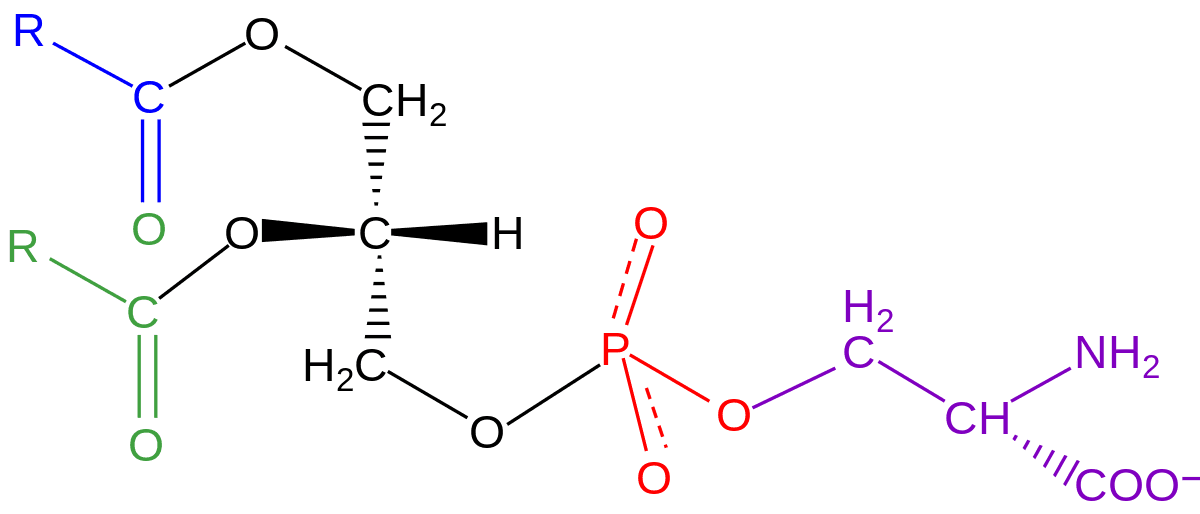
Phosphatidylserine (PS), an important class of phospholipids, is primarily concentrated in the inner leaflet of the plasma membrane within neural tissues. This fatty substance serves as a protective shield for nerve cells in the brain, facilitating quick and adaptable communication between them, whilst also providing a protective benefit. From an anti-aging and regenerative perspective, Phosphatidylserine is a key player in supporting cellular communications and helping to optimise our glucose metabolism. Its ability to aid in preserving memory, boost cognitive function and keeping up mental acuity. As we age, reduction in phosphatidylserine impacts these functions, so supplementation can be an excellent way of maintaining cognitive vitality and a balanced nervous system. What are the potential benefits? Improved Cognitive Function: Phosphatidylserine has been linked to enhanced cognitive function, including improved memory and concentration. Limits cortisol-induced stress: Cortisol is released during periods of physical or mental stress, leading to adrenal fatigue. Symptoms can include, high blood pressure and sugar levels and lowered immune function. Fighting Depression: Research suggests that Phosphatidylserine may have positive effects on mood and may aid in alleviating symptoms of depression. Reduced Perceived Fatigue: Individuals supplementing with Phosphatidylserine have reported a reduction in perceived fatigue, contributing to increased energy levels. […]

Read Article