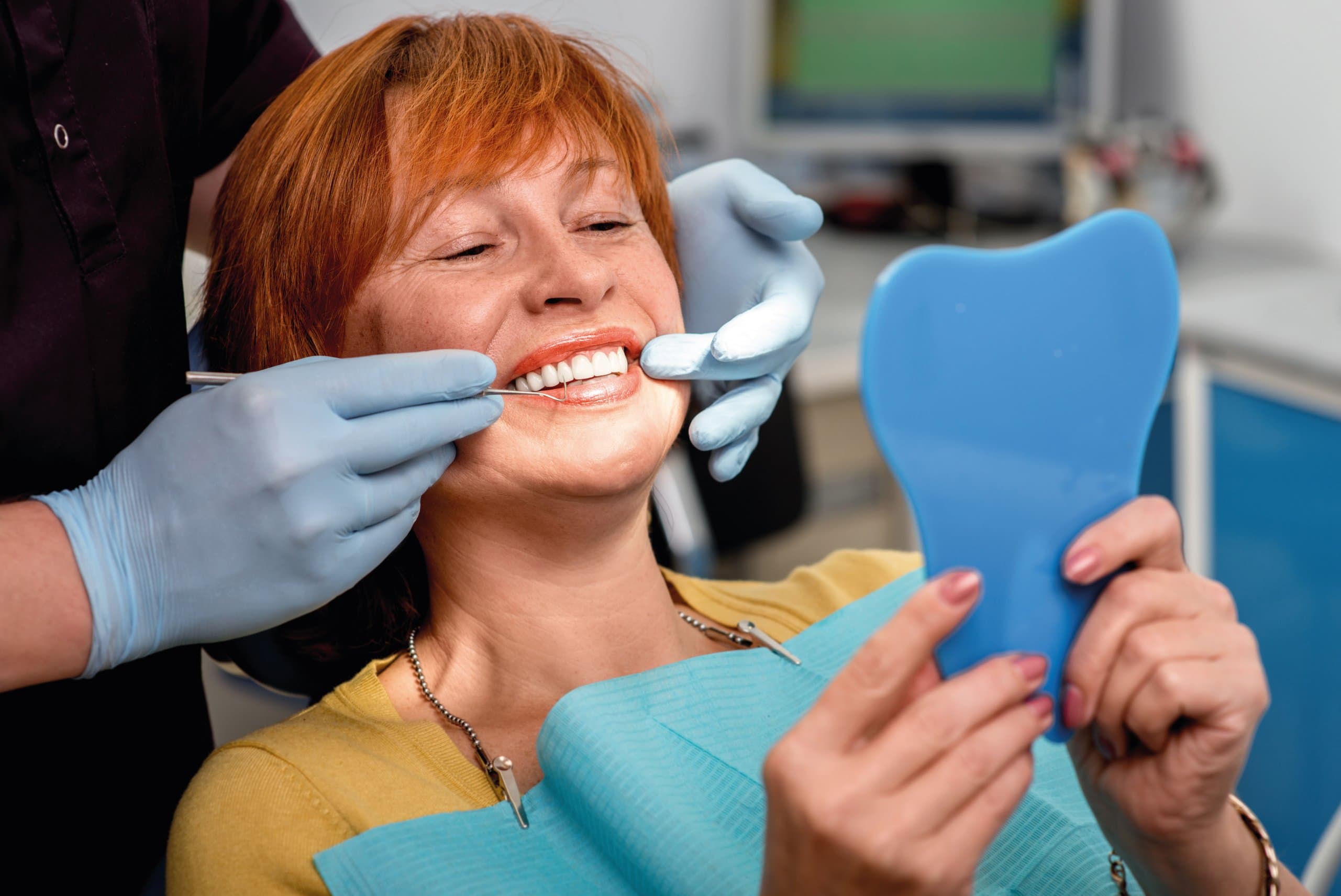
What is Composite Bonding?
Composite bonding is a revolutionary, non-invasive, dentist-approved technique which can be used to discreetly conceal minor discrepancies in your smile as well as provide full smile makeovers.
It can be achieved without removing any of the natural tooth structure, so it is by far one of the most preservative procedures you can do for yourself whilst still reaching an extremely satisfying result.
It is one of the most frequently used services in dentistry today. It is also one of the most cost-effective cosmetic dental procedures available.
The treatment includes the dentist placing a highly aesthetic white resin material on the required teeth, perfectly shade matched to your current tooth colour. There is the option to whiten your natural teeth beforehand to reach the desired shade, as the composite material cannot be whitened in the same way as natural teeth. This is something you will be able to discuss with the dentist during the initial consultation.
What can composite bonding achieve?
It is used in many smile journeys, both for cosmetic reasons as well as restorative. Here are some examples of what the procedure can be used for:
- Restoring tooth structure that has been lost such as chips and cracks in the teeth.
- It can be used in between the teeth to reduce the spaces
- Improving the general shape and length of teeth, providing a more cosmetically appealing smile
- It can be used to conceal stains, cover undesired discolourations
- Unlike most dental treatments, composite bonding is completely reversible if you one day decide to have it removed or want something changed.
How does the treatment work?
The procedure itself can be completely pain-free and requires no local anaesthetic to carry it out.
First you will have a complimentary consultation, during which you can discuss with the dentist your smile desires. From this the dentist can advise you on the best treatment options available and answer any questions regarding the treatment.
Once you are happy with the treatment options discussed, you will know exactly how much the treatment will cost.
This will also be the opportunity to consider whether whitening your teeth prior to the bonding is something you would be interested in. This would usually need to come prior to the composite bonding as the resin material does not whiten like the natural tooth. The dentist will be able to answer any questions regarding this during the consultation.
When you come in for the treatment, the dentist will prepare the surfaces of the teeth using an etchant gel. This microscopically roughens the enamel so that the composite can bond well with the surface. They will then rinse this gel off and apply a bonding agent. The composite will then be placed and shaped using dental instruments to create the ideal shape. Once a satisfactory size and shape is made, the dentist will use a light to cure the material. This means there is no down time waiting for the composite to set, it is done instantaneously and you leave the surgery with your new and improved smile. The dentist will use various materials to polish the composite for a smooth finish.
The procedure is relatively quick to complete and, not to forget, pain-free… What more could you ask for?
How long does composite bonding last?
On average, composite bonding will last approximately five years. Because they are made of resin, composite restorations are easily adjusted and added to if they are damaged.
Much like your natural teeth, composite restorations are prone to staining. This occurs over time with eating dark-coloured foods and drinks such as red wine, coffee, curries. It cannot really be avoided in life, but whitening your teeth can lift any previous staining, and then the composite bonding can be made to match the new shade.
How much will it cost?
Prices will vary depending on the type of composite bonding you require, whether it is edge bonding, or full bonding. Generally the price will be around £200 per tooth, but the dentist can further advise on an exact price once the complimentary consultation has been carried out.
It is without a doubt, one of the most cost-effective treatments you can have to improve your smile.
How would you care for your composite bonding?
The aftercare for composite bonding is no different from how you would treat your regular teeth. You should be keeping a good oral hygiene routine at home which includes brushing your teeth a minimum of twice daily with a manual or electric toothbrush for at least two minutes each time. Remember: no rinsing with water or mouthwash after brushing! It is recommended that everyone uses some cleaning aids between your teeth such as floss and interdental brushes. These are both used in between your teeth but carry out slightly different methods. Your dentist or hygienist can further advise you on which size interdental brushes you require, as well as showing you how to use them effectively at home.
The resin material does have the possibility of chipping if put under a lot of pressure. That said, you should avoid applying too much stress on your teeth such as chewing pens, biting your nails and other habits alike. If you are a grinder, then the dentist may recommend a guard to sleep with to protect your teeth and the composite bonding.
Overall composite bonding is an extremely versatile, cost-effective treatment which can majorly improve your smile. Please feel free to email or call us if you would like to ask any questions regarding this treatment or would like to book in for the initial complimentary consultation.